Specialty

Spinal Cord Tumors

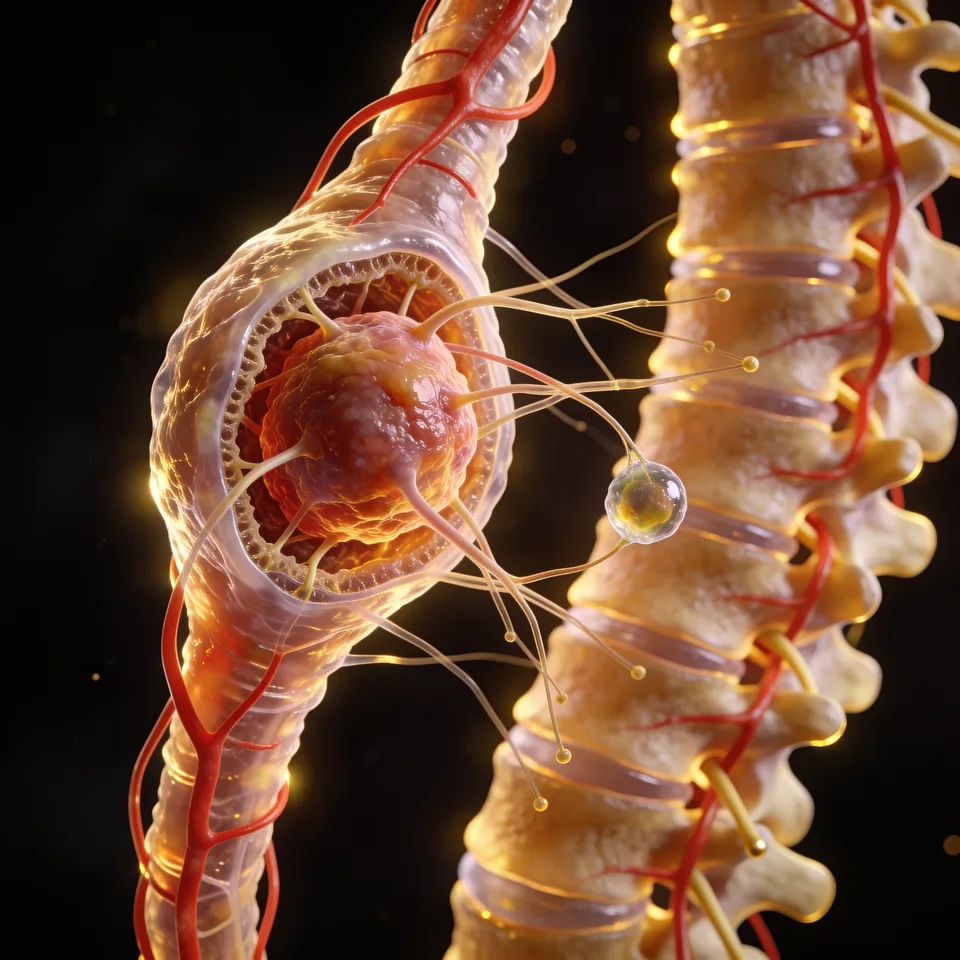
Tumors of the spine and spinal cord treated with microsurgical technique, according to the identified cell type.

Spinal Cord Tumors
01 — WHAT IT IS

Tumors of the spine and spinal cord.

Tumors of the spinal column can affect the vertebral bone, the meninges, or the spinal cord itself. In most cases, vertebral tumors are metastases — consequences of primary tumors located in other organs, such as the lung, breast, prostate, ovaries, or intestines.

Among spinal cord tumors, ependymomas and astrocytomas are the most frequent.
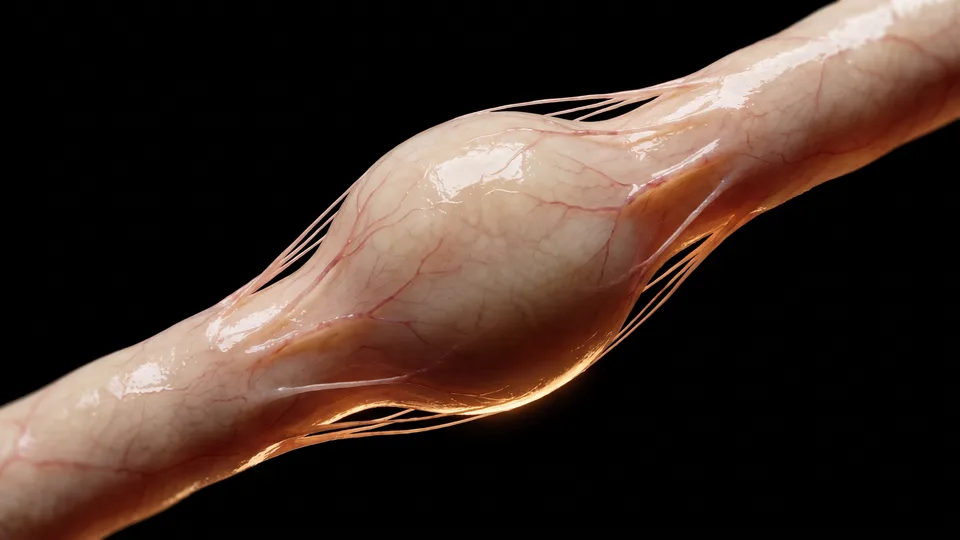
Fig. 01 — Spinal cord involvement
02 — SYMPTOMS

Warning signs

In vertebral metastases, the main symptom is pain, localized or radiating along the path of the nerves. In spinal cord tumors, changes in strength and sensation predominate:

  • Localized or radiating pain
  • Loss of muscle strength
  • Changes in sensation
03 — DIAGNOSIS

Imaging diagnosis

The diagnosis is made by a thorough neurological examination and imaging studies, such as magnetic resonance imaging, scintigraphy, and computed tomography.

04 — TREATMENT

Management and treatment

Specific treatment is based on microsurgical technique, and may be combined with adjuvant therapies according to the cell type:

01

Microsurgical resection

Precision microsurgical technique to address tumors of the vertebral bone, the meninges, or the spinal cord.

02

Radiotherapy and/or chemotherapy

Combined with surgery according to the tumor cell type identified by biopsy.

“Treatment is based on microsurgical technique, according to the cell type identified by biopsy.”

Questions about your case?

Schedule an evaluation so we can discuss the diagnosis and the treatment path suited to your case.

Get in touch
Book