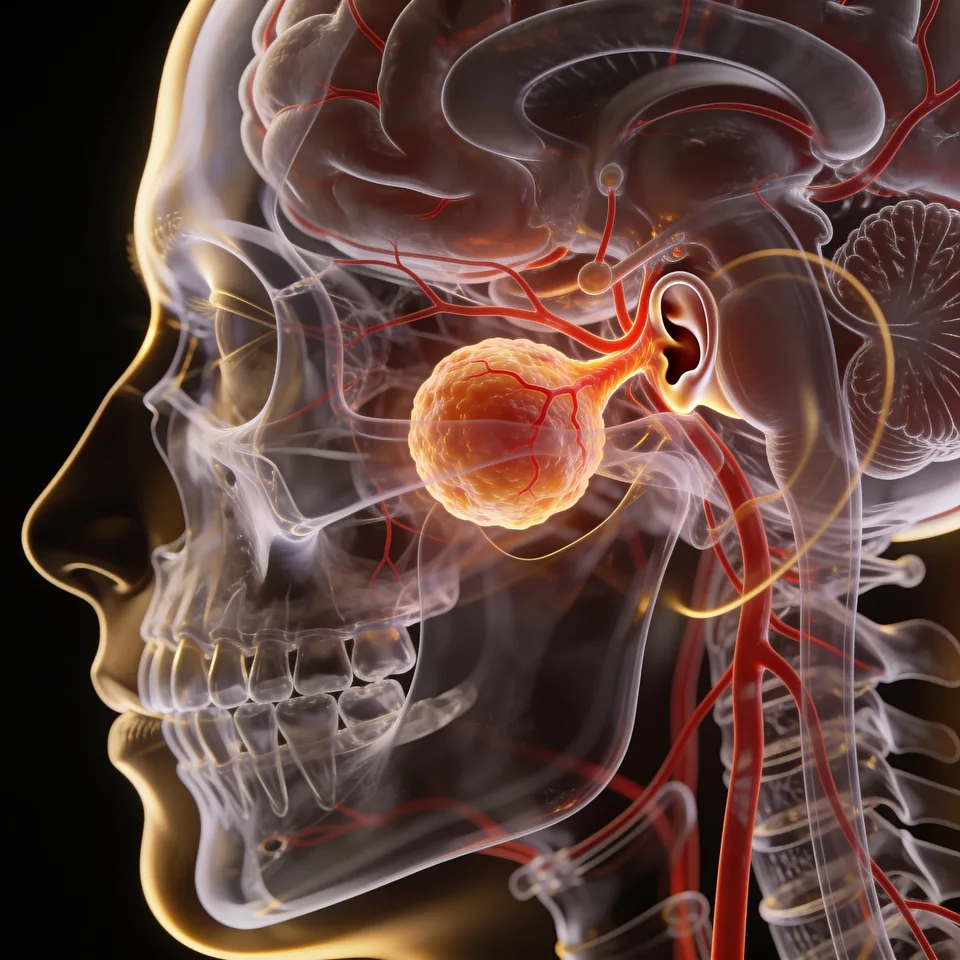
Vestibular Schwannoma
The vestibular schwannoma (VS) is a benign tumor of the vestibulocochlear nerve.
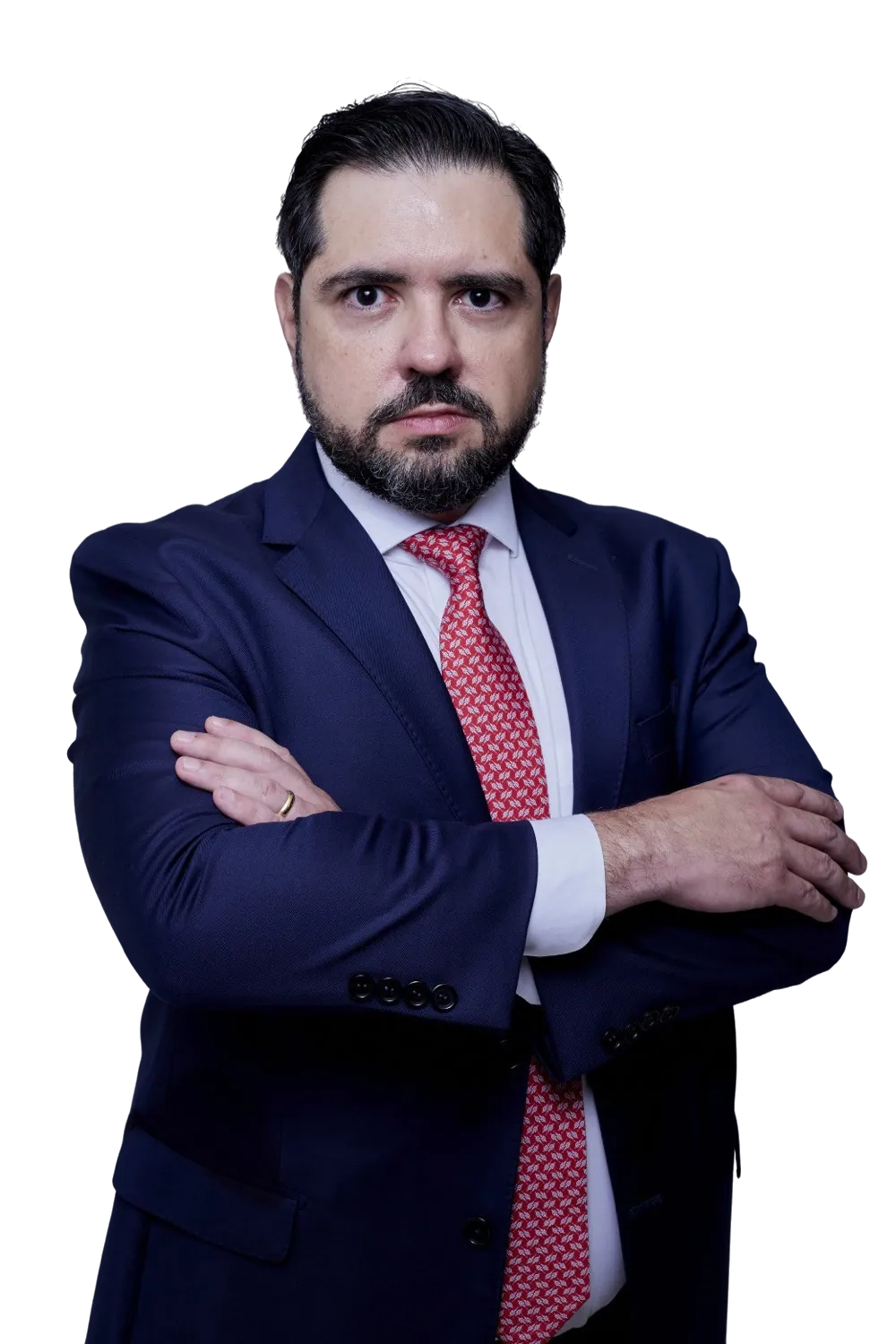
MD PhD – Neurosurgeon
+25years of experience
+25years of experience
Specialized evaluation of cerebral aneurysms, arteriovenous malformations, cavernomas, Moyamoya disease, cerebral revascularization, and complex cranial tumors.
Specialized evaluation of cerebral aneurysms, arteriovenous malformations, cavernomas, Moyamoya disease, cerebral revascularization, and complex cranial tumors.
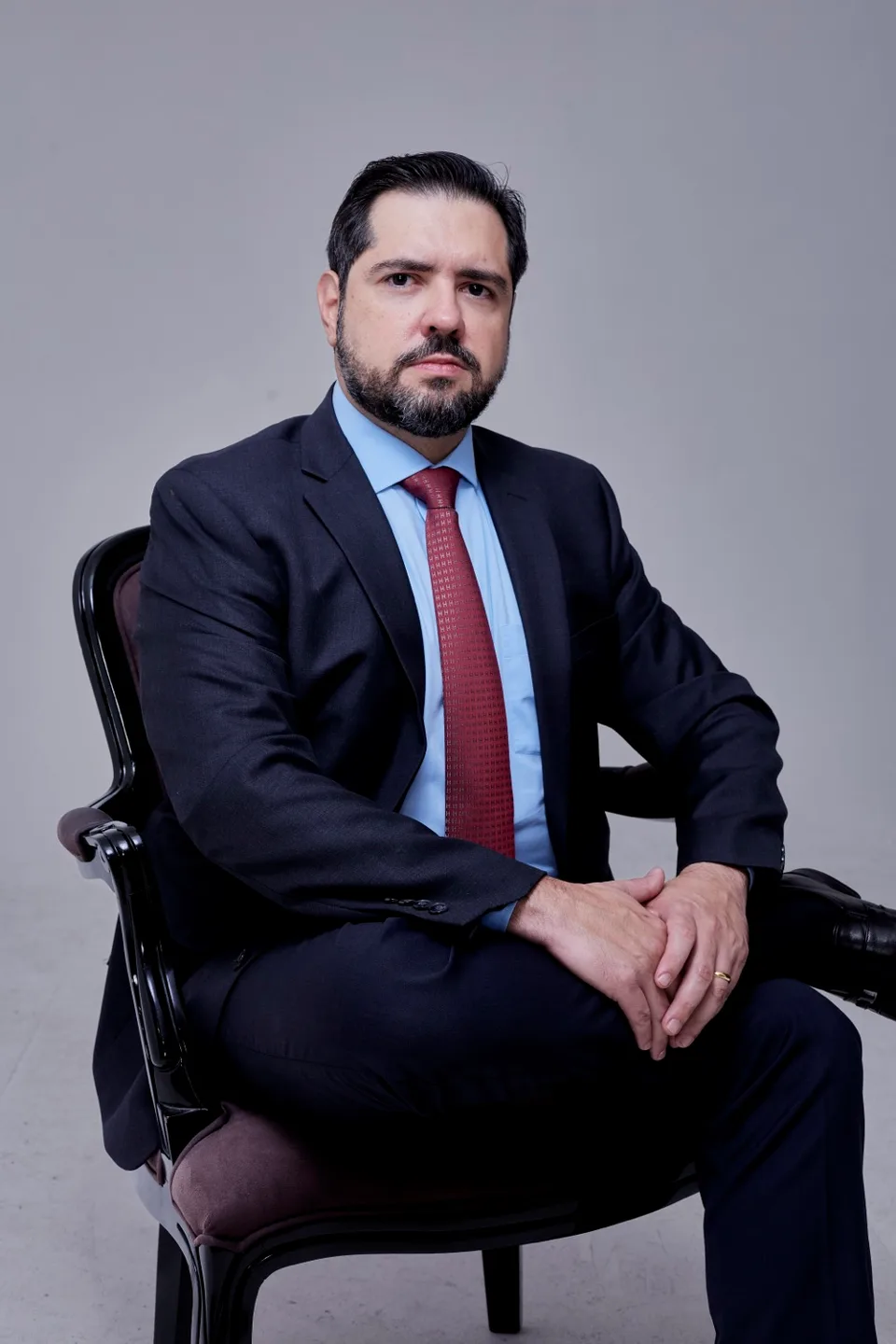
Neurosurgeon at BP - A Beneficência Portuguesa de São Paulo, Hospital Santa Catarina - Paulista, Hospital Israelita Albert Einstein and Hospital Sírio-Libanês.
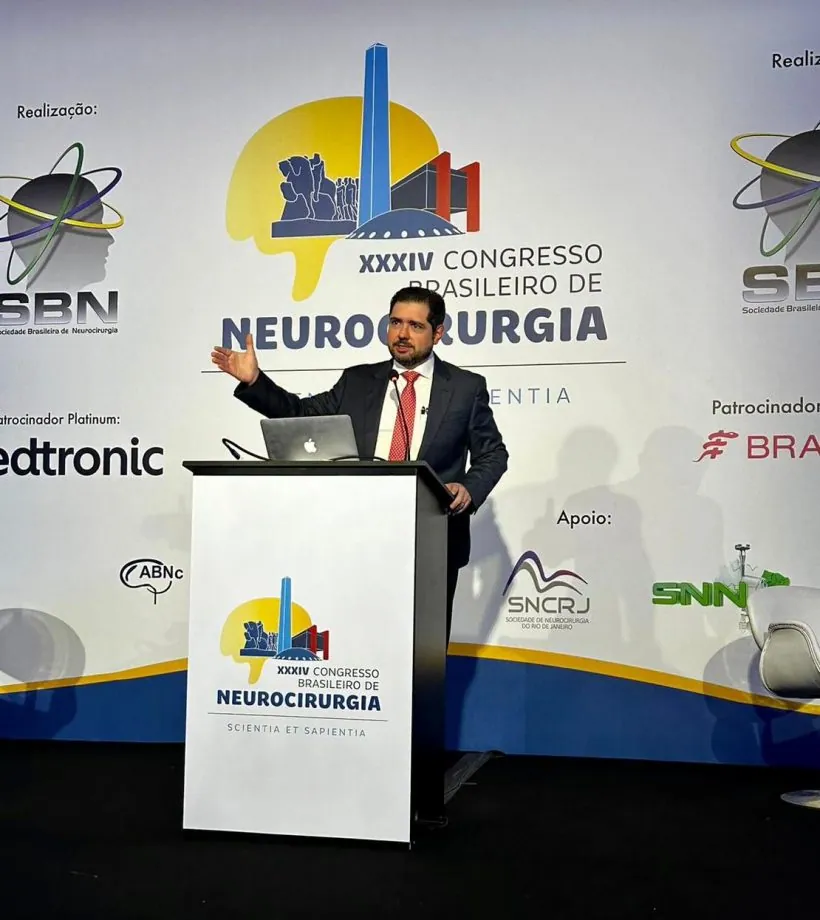
Coordinator of the Vascular Neurosurgery Department of the Brazilian Society of Neurosurgery.
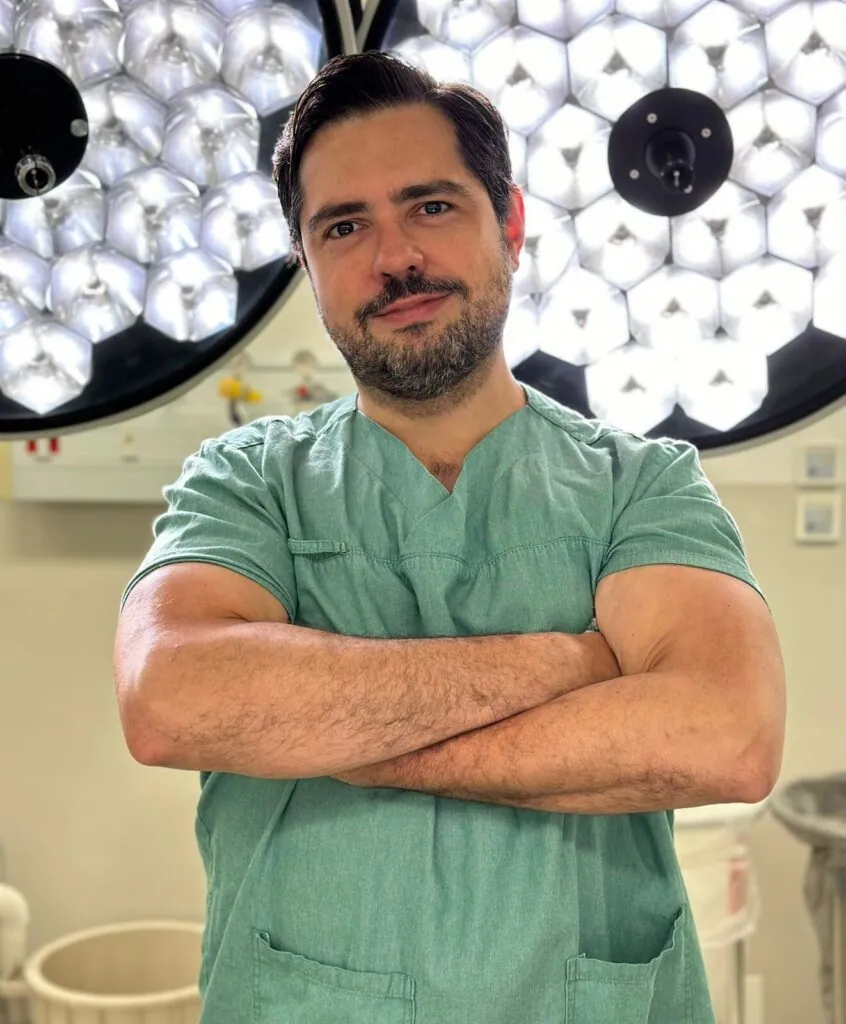
Surgical practice in cases of high vascular and neurological complexity, using modern microsurgical techniques.
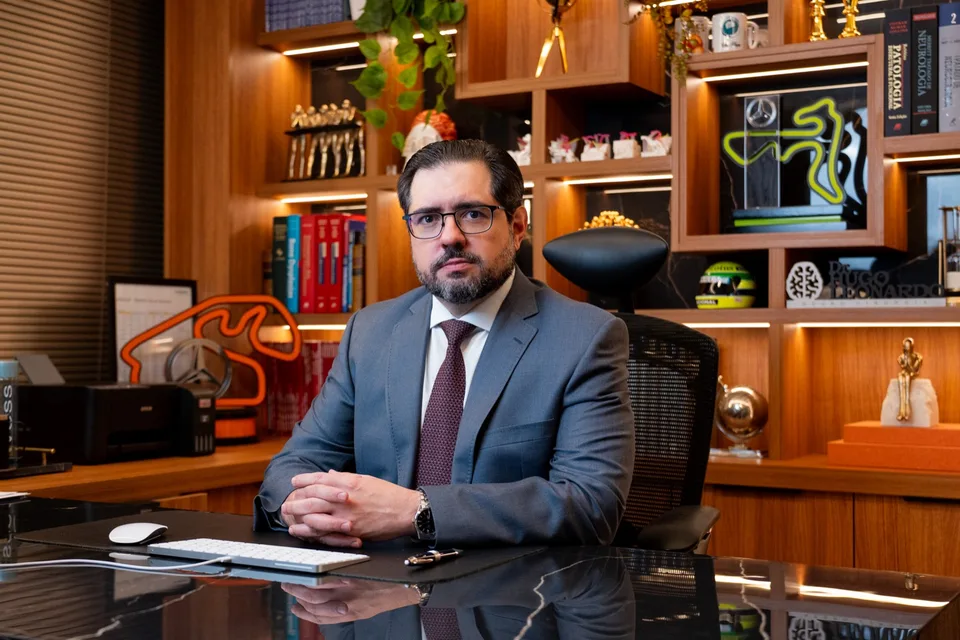
Publications in national and international neurosurgery journals, serving as a reviewer throughout his career and actively taking part in teaching, research and training activities in neurosurgery.
Neurosurgeon at BP - A Beneficência Portuguesa de São Paulo, Hospital Santa Catarina - Paulista, Hospital Israelita Albert Einstein and Hospital Sírio-Libanês.
Coordinator of the Vascular Neurosurgery Department of the Brazilian Society of Neurosurgery.
Publications in national and international neurosurgery journals, serving as a reviewer throughout his career and actively taking part in teaching, research and training activities in neurosurgery.
Neurosurgery is an art, and it is an honor to be able to practice it. To work in a field of such profound importance — giving patients back their lives — is far more than a profession; it is a great privilege.
So says Dr. Hugo Leonardo Doria Netto, MD, PhD, who practices neurosurgery as a responsibility and a calling, putting knowledge and technique at the service of life.
Dr. Hugo Doria's practice covers vascular and cranial microneurosurgery, including cerebral aneurysms, arteriovenous malformations, brain and spinal tumors, Moyamoya disease, trigeminal neuralgia, hemifacial spasm, and cerebral revascularization.
Vestibular Schwannoma
The vestibular schwannoma (VS) is a benign tumor of the vestibulocochlear nerve.
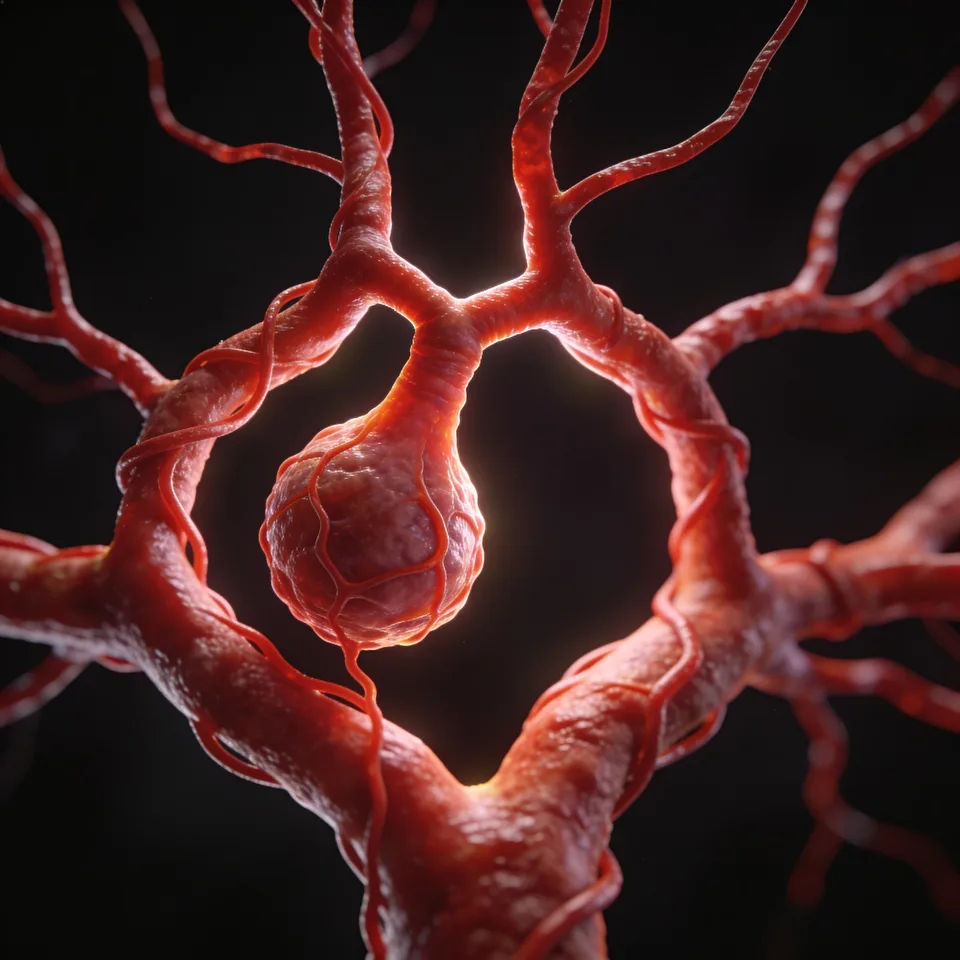
Cerebral Aneurysm
Cerebral aneurysms are abnormal dilations in the walls of the cerebral arteries.
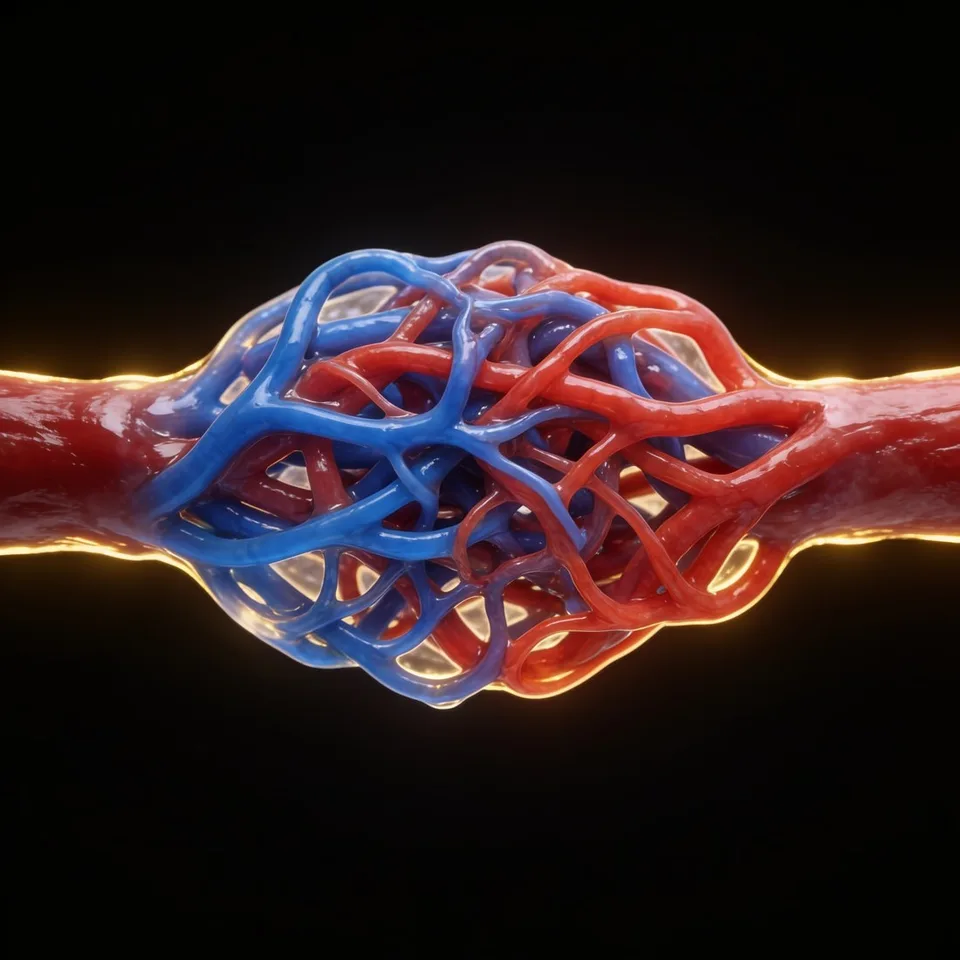
AVMs
Arteriovenous malformations (AVMs) are abnormal connections between cerebral arteries and veins.
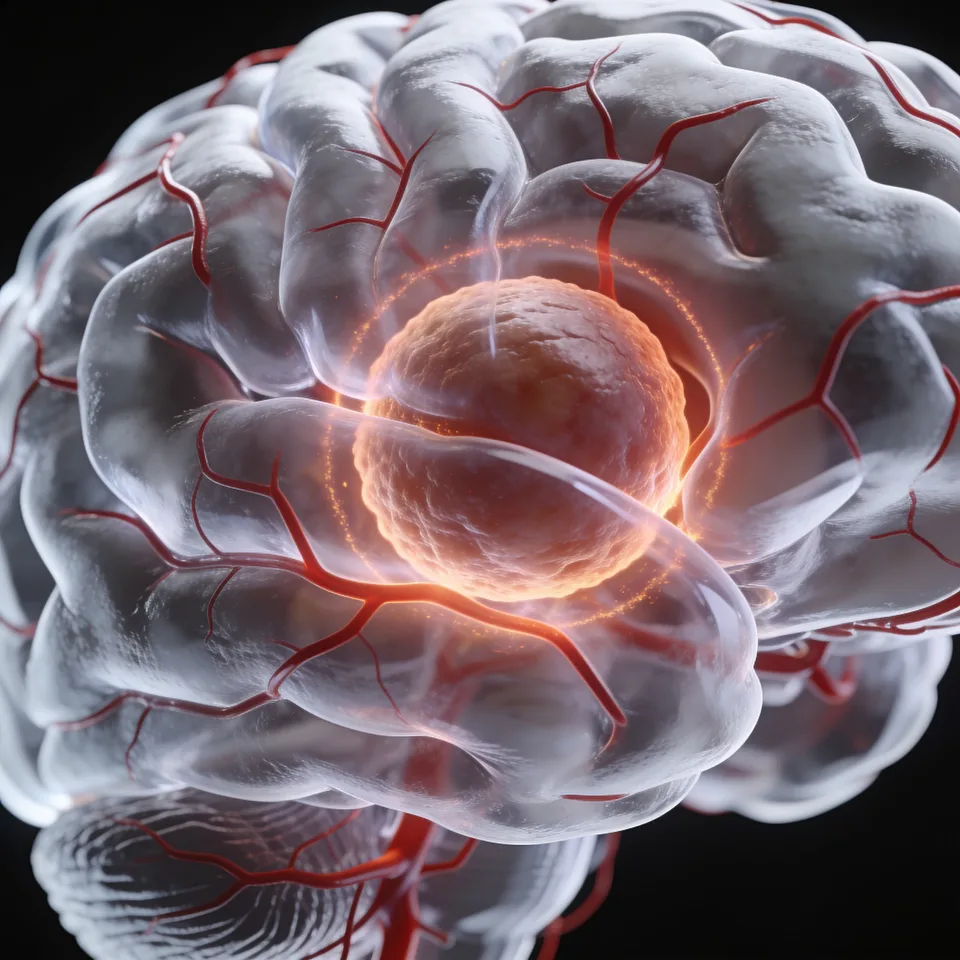
Brain Tumors
Evaluation and microsurgical treatment of primary, metastatic and complex-location brain tumors, with individualized planning and techniques aimed at functional preservation.
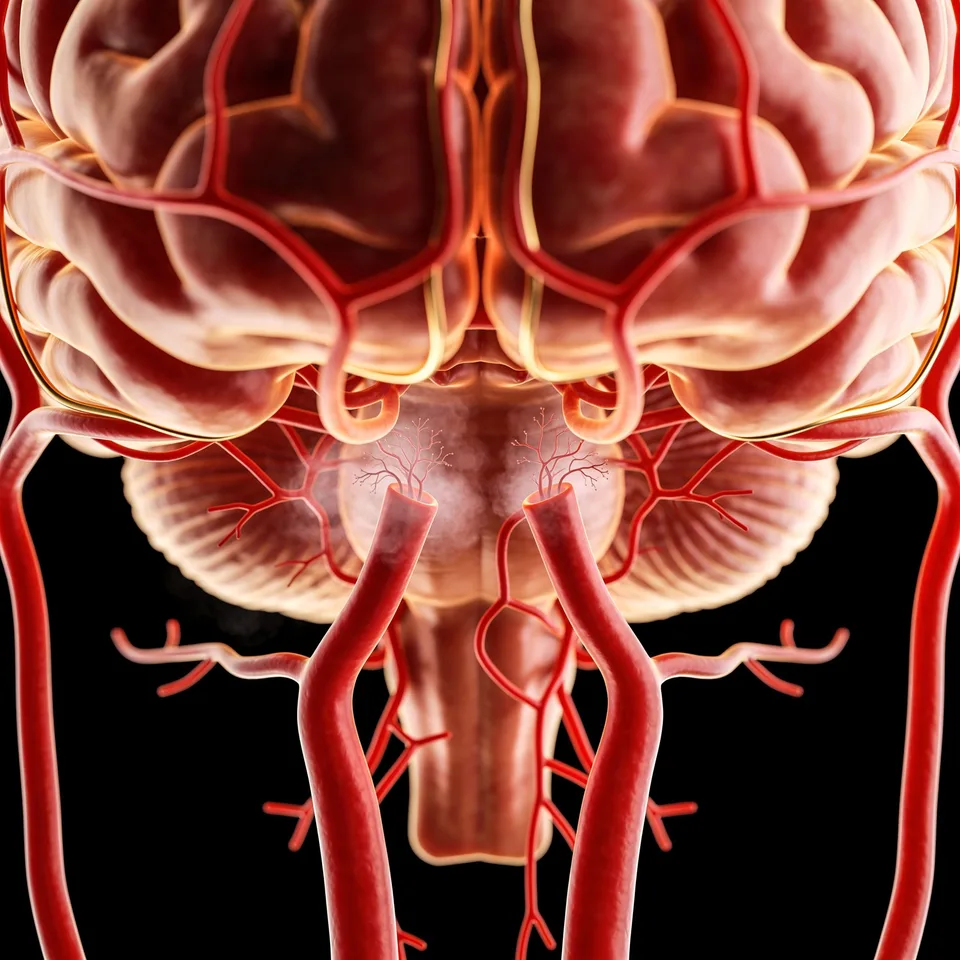
Moyamoya Disease
Evaluation and treatment of Moyamoya disease, including direct and indirect cerebral revascularization techniques when indicated.
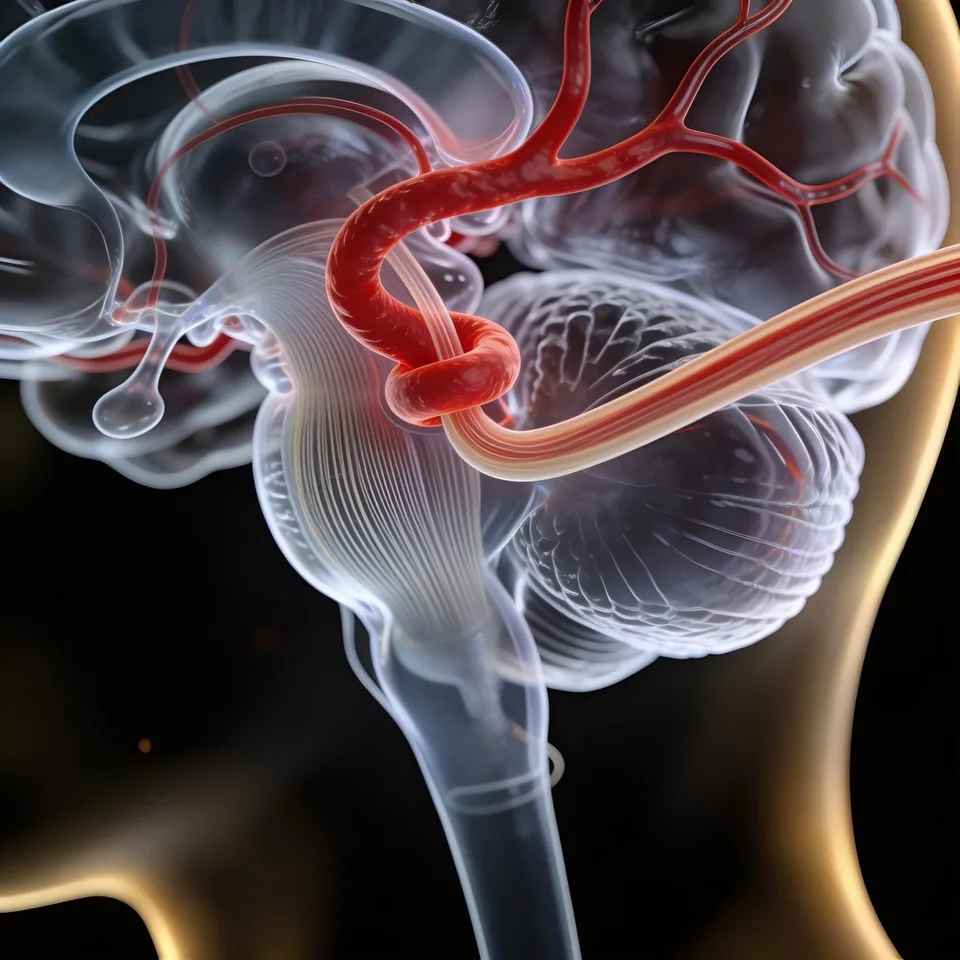
Trigeminal Neuralgia
Specialized evaluation of trigeminal neuralgia and its therapeutic alternatives, including drug treatment, percutaneous procedures, radiosurgery and microvascular decompression, according to the profile of each case.
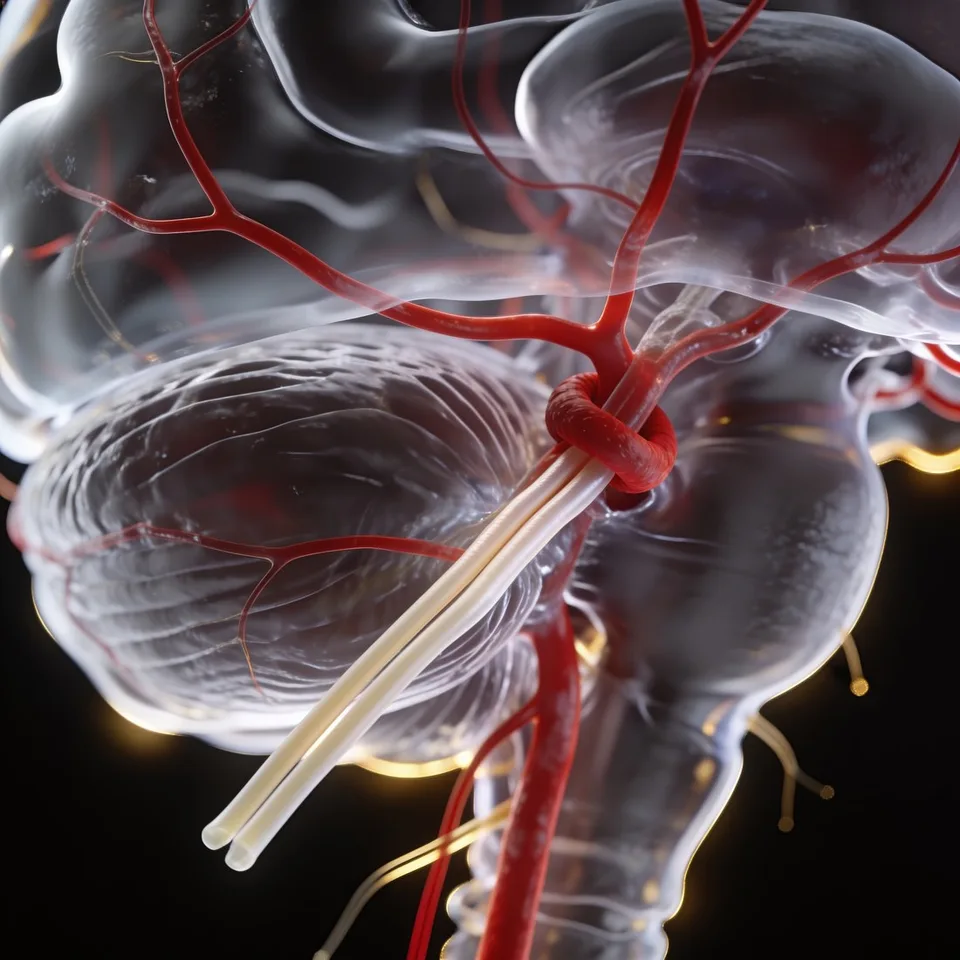
Hemifacial Spasm
Involuntary contractions of the facial muscles treated by microvascular decompression of the facial nerve.
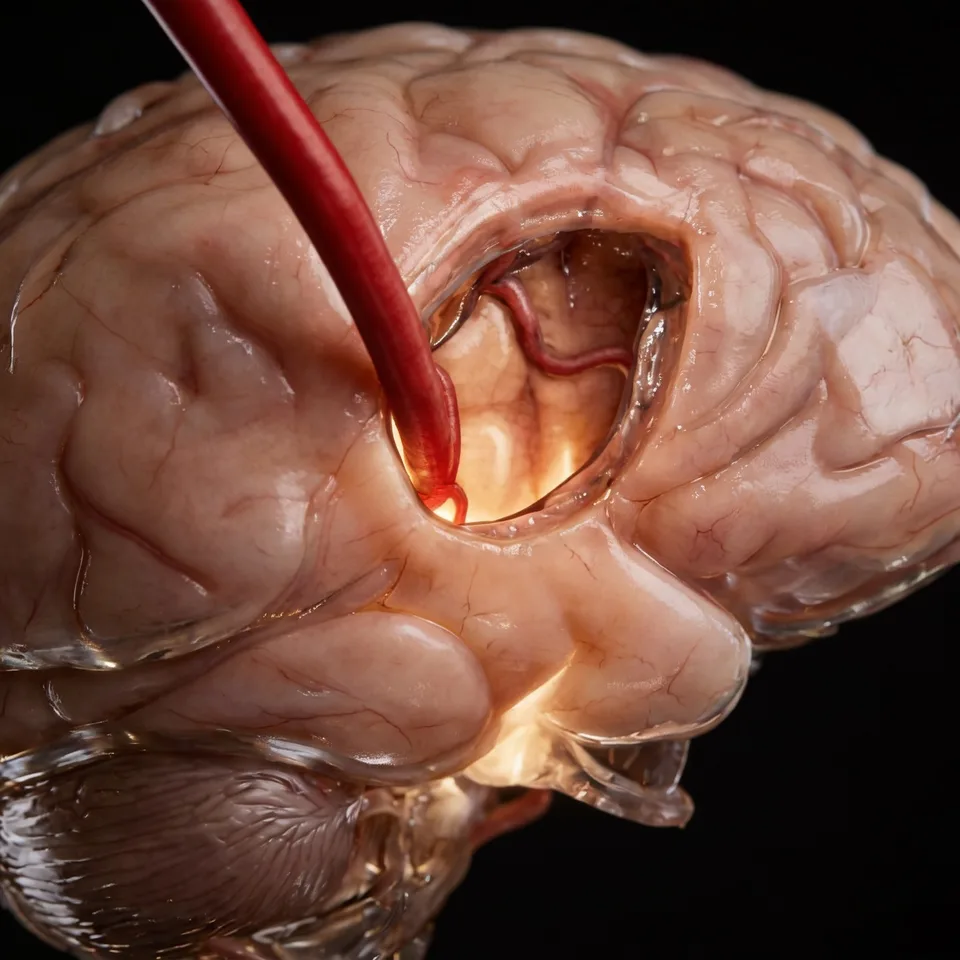
Cerebral Revascularization
Cerebral bypass to restore blood flow in cases of chronic ischemia and occlusive diseases.
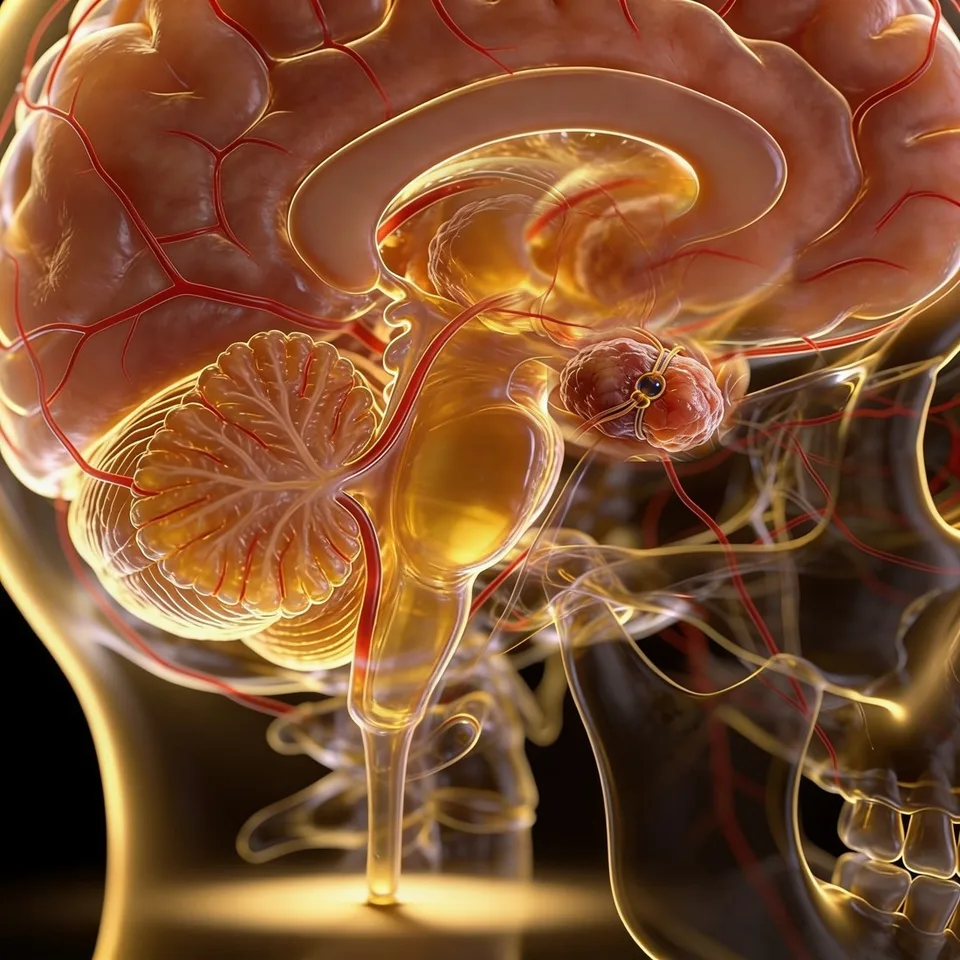
Pituitary Tumors
Treatment of pituitary adenomas, including the endoscopic endonasal approach when indicated, with planning aimed at preserving neuroendocrine structures and functions.
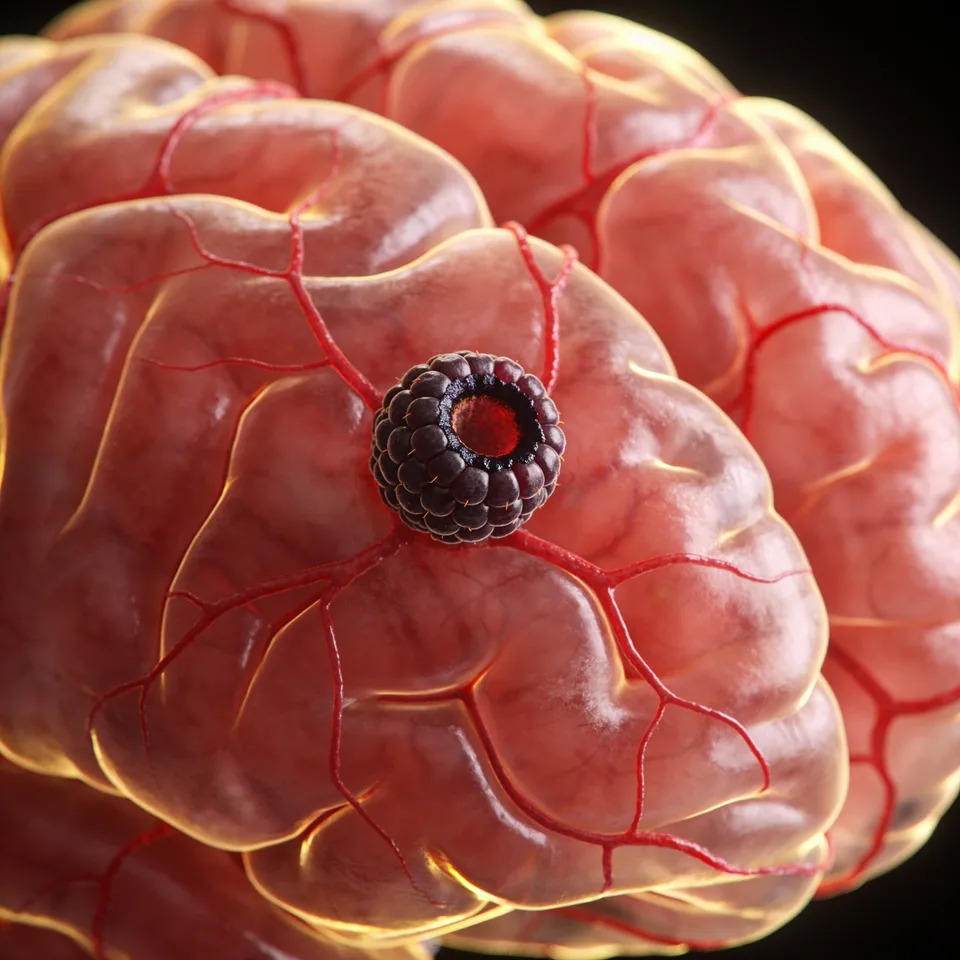
Cavernomas
Evaluation of cerebral and spinal cavernomas, with individualized decision between clinical and radiological follow-up and microsurgical treatment when indicated.
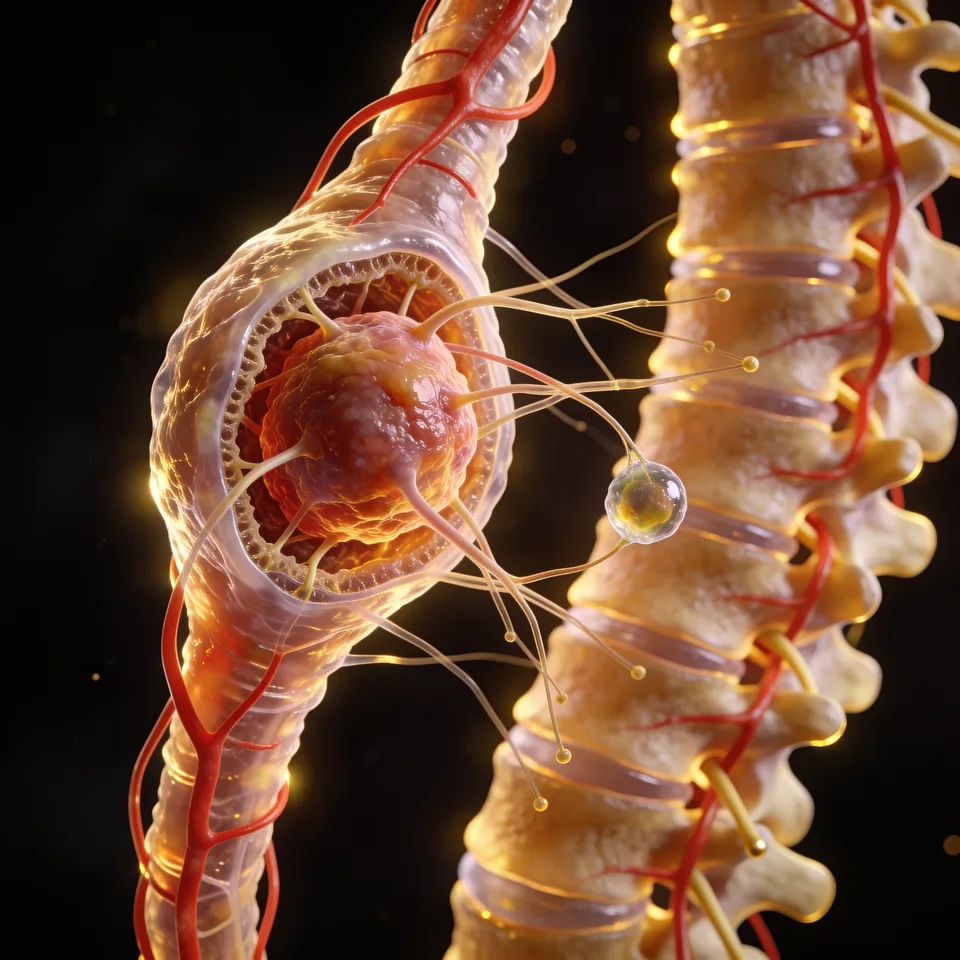
Spinal Cord Tumors
Tumors of the spine and spinal cord treated with a precision microsurgical technique.
Dr. Hugo Doria's practice covers vascular and cranial microneurosurgery, including cerebral aneurysms, arteriovenous malformations, brain and spinal tumors, Moyamoya disease, trigeminal neuralgia, hemifacial spasm, and cerebral revascularization.
Vestibular Schwannoma
The vestibular schwannoma (VS) is a benign tumor of the vestibulocochlear nerve.
Cerebral Aneurysm
Cerebral aneurysms are abnormal dilations in the walls of the cerebral arteries.
AVMs
Arteriovenous malformations (AVMs) are abnormal connections between cerebral arteries and veins.
Brain Tumors
Evaluation and microsurgical treatment of primary, metastatic and complex-location brain tumors, with individualized planning and techniques aimed at functional preservation.
Moyamoya Disease
Evaluation and treatment of Moyamoya disease, including direct and indirect cerebral revascularization techniques when indicated.
Trigeminal Neuralgia
Specialized evaluation of trigeminal neuralgia and its therapeutic alternatives, including drug treatment, percutaneous procedures, radiosurgery and microvascular decompression, according to the profile of each case.
Hemifacial Spasm
Involuntary contractions of the facial muscles treated by microvascular decompression of the facial nerve.
Cerebral Revascularization
Cerebral bypass to restore blood flow in cases of chronic ischemia and occlusive diseases.
Pituitary Tumors
Treatment of pituitary adenomas, including the endoscopic endonasal approach when indicated, with planning aimed at preserving neuroendocrine structures and functions.
Cavernomas
Evaluation of cerebral and spinal cavernomas, with individualized decision between clinical and radiological follow-up and microsurgical treatment when indicated.
Spinal Cord Tumors
Tumors of the spine and spinal cord treated with a precision microsurgical technique.
A diagnosis in vascular and cranial neurosurgery usually arrives with more questions than answers. A specialist assessment exists so you can understand what the scans show, which approaches are available and what each one means in your case.
Naming the lesion precisely guides everything that follows: which scan is requested, the follow-up interval, the approach under discussion. Much of the work lies in detailing what has not yet been detailed — size, location and the relationship with neighboring structures.
Not every lesion calls for surgery, and not every surgery calls for haste. There are conditions in which clinical and imaging follow-up is the indicated approach, and others in which more than one route is possible. Understanding why an approach was proposed is part of deciding on it.
The scans you already have are usually enough for a second reading. MRI, angiography and CT hold information that was not always fully drawn out in the first analysis. A careful reading may confirm the proposed approach or point to what still needs investigating.
Age, comorbidities, lesion location and personal history shift the balance between what is gained and what is risked in each approach. Two people with the same diagnosis may receive different recommendations for legitimate clinical reasons. What gets discussed is where your case sits within that picture.
No assessment anticipates outcome or assures the absence of complications. The purpose is for the decision to be made with clarity about what is at stake.
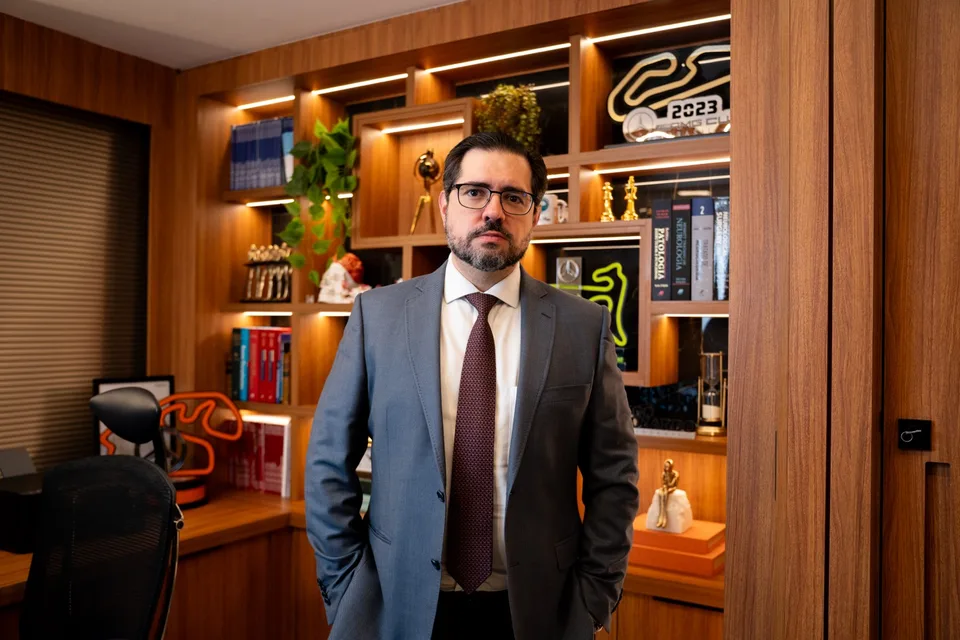
Microsurgical training with Prof. Dr. Evandro de Oliveira, international experience at the University of California, San Francisco, and at the Barrow Neurological Institute, a doctorate in neuroscience and coordination of the Vascular Neurosurgery Department of the Brazilian Society of Neurosurgery.
Reviews published by patients on public platforms. These are individual accounts: each case is unique and no outcome can be guaranteed.
Com muita competência, atenção e sensibilidade, conduziu todo o processo sempre me transmitindo segurança, calma e confiança desde o primeiro contato.
Não há palavras que possam expressar minha gratidão. É evidente a capacidade dele como profissional, mas é a forma como trata os pacientes, com respeito e dedicação, que faz a diferença.
Get in touch with the team to schedule a consultation or request a specialized second opinion.
Get in touch