Specialty

Trigeminal Neuralgia

Lancinating facial pain in bouts.

Trigeminal Neuralgia
01 — WHAT IT IS

Lancinating pain limited to one side of the face.

Trigeminal neuralgia, also known as “tic douloureux,” is characterized by lancinating pain, in bouts, limited to one side of the face — in the region of the eyes, the ala of the nose, the jaw and teeth, or in all of these locations. The episodes of pain are short-lived, with complete remission between bouts.

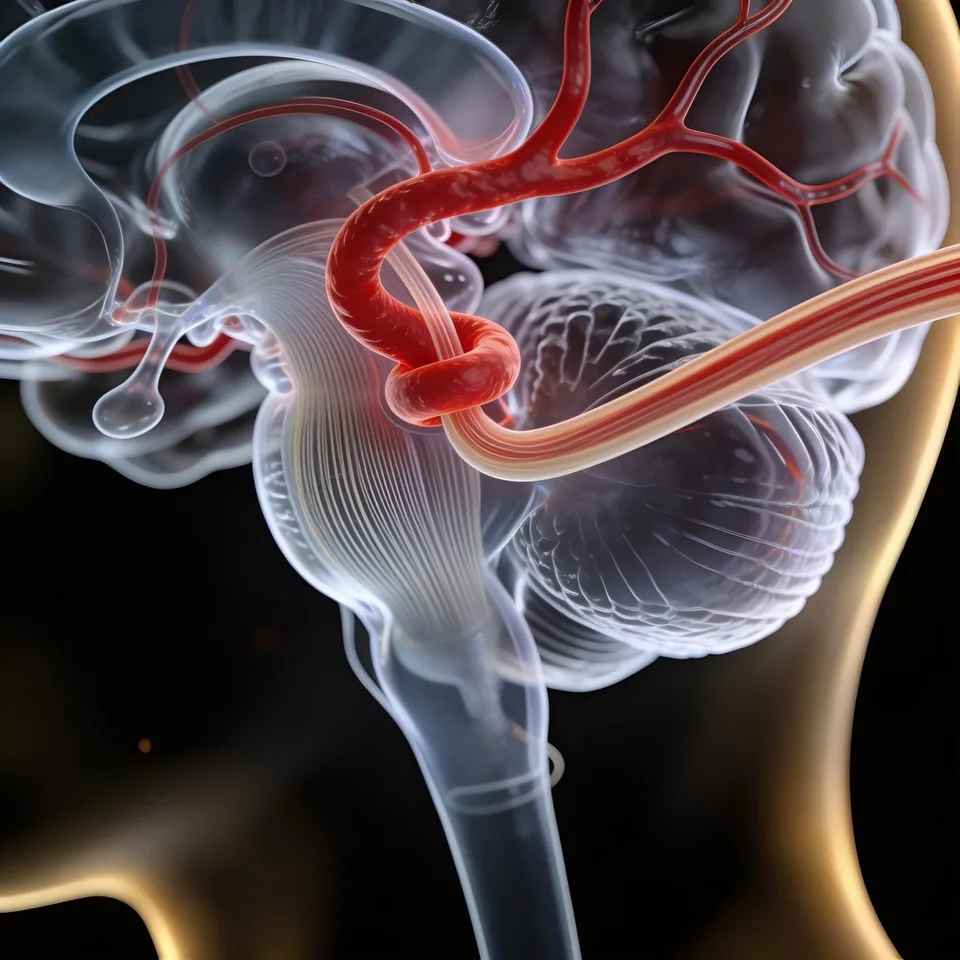
It generally occurs in patients over 50 years of age and far more frequently in women. The most common cause is inflammation of the nerve resulting from the continuous pulsing of a vascular loop against the trigeminal nerve.
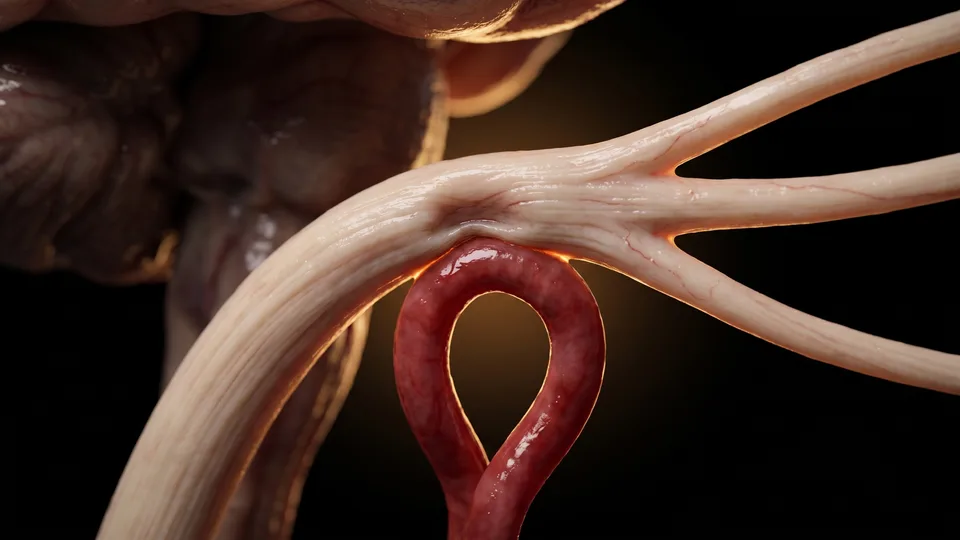
Fig. 01 — Neurovascular conflict of the trigeminal nerve
02 — SYMPTOMS

How the pain presents

The bouts can be triggered by a smile, by the act of speaking, brushing the teeth, chewing, or by the friction of cold wind:

  • Lancinating pain in bouts
  • Triggers: speaking, chewing, brushing the teeth
  • Sensitivity to cold wind
  • Complete remission between bouts
03 — DIAGNOSIS

Clinical diagnosis

The diagnosis is clinical, aided by magnetic resonance imaging to identify the vascular loop in conflict with the trigeminal nerve.

04 — TREATMENT

Management and treatment

Initial treatment consists of specific medication. Failure of, or intolerance to, medical treatment can be resolved by surgical intervention:

01

Medication

First line of treatment, with specific medication to control the pain.

02

Percutaneous rhizotomy

By balloon (mechanical lesion by compression) or by radiofrequency (thermal lesion): a needle penetrates the skull through the foramen ovale and produces a controlled lesion of the trigeminal nerve root.

03

Microvascular decompression

Using a high-resolution microscope, the nerve and the vascular loop are identified, dissected, and separated, with the interposition of a prosthesis between the structures.

Questions about your case?

Schedule an evaluation so we can discuss the diagnosis and the treatment path suited to your case.

Get in touch
Book